Quick Answer
How does LED light therapy improve the skin?
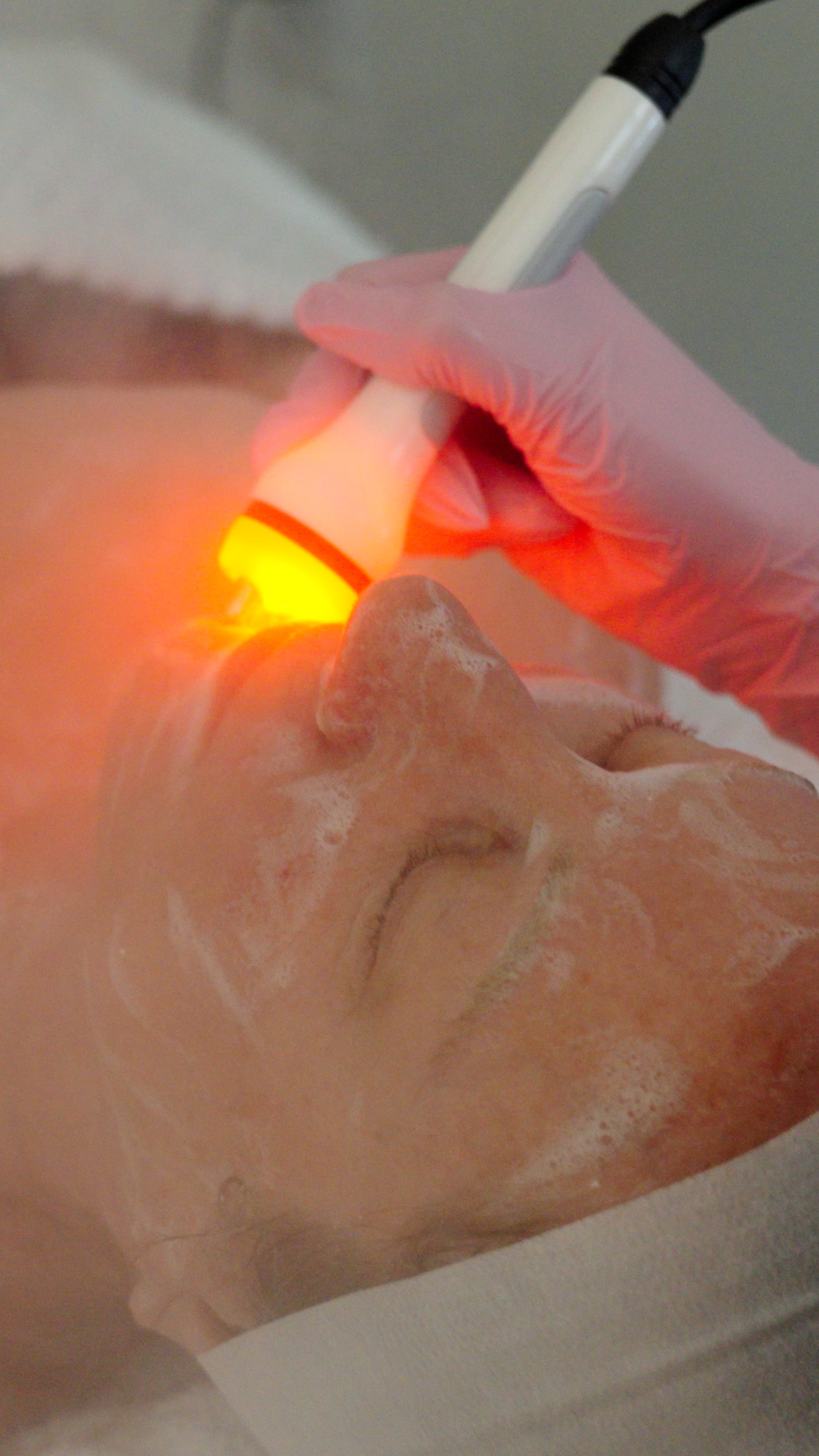
LED light therapy improves skin by using specific wavelengths of light to trigger cellular activity: red light stimulates collagen and reduces signs of aging, while blue light targets acne-causing bacteria and calms inflammation. It is painless, non-invasive, and requires no downtime, making it a versatile add-on or standalone treatment. At Eternite Spa in New Smyrna Beach and Mount Dora, FL, LED therapy is used to boost radiance, support healing, and enhance overall skin health.
The evolution of modern skincare has proven that achieving a flawless, healthy complexion does not always require aggressive resurfacing or invasive chemical procedures. Instead, some of the most profound advancements in aesthetic medicine harness the pure power of energy to heal the skin from the inside out. Photobiomodulation, commonly known as LED Light Therapy, has revolutionized the way we approach skin health by utilizing specific wavelengths of light to directly stimulate cellular repair.
Rather than causing controlled damage to force a healing response, this sophisticated technology works in total harmony with your body’s natural biology. By delivering targeted light energy deep into the dermal layers, LED therapy addresses a wide array of skin concerns, from premature aging to stubborn acne, at a foundational, cellular level.
The Science of Photobiomodulation and Cellular Energy
To understand how light can physically alter and heal the skin, it helps to look at the process on a microscopic level. Human cells contain specialized photoreceptors that are highly sensitive to light energy. According to extensive clinical data published by the National Institutes of Health (.gov), when these receptors absorb specific wavelengths of light, they trigger a cascade of beneficial biochemical reactions within the cell.
The primary engine behind this cellular transformation is the mitochondrion, often referred to as the powerhouse of the cell. The absorbed light energy accelerates the production of Adenosine Triphosphate (ATP), which is the vital fuel cells need to replicate, repair damage, and function optimally. Research shared by Harvard University researchers via the Harvard Health Publishing platform confirms that this boost in cellular energy dramatically enhances tissue regeneration, reduces systemic inflammation, and optimizes localized blood circulation without generating damaging heat.
Decoding the LED Spectrum: Red and Infrared Light
Different wavelengths of light penetrate the skin at varying depths, meaning each specific color spectrum delivers distinct therapeutic benefits to the tissue. The red and near-infrared spectrums are celebrated as the ultimate tools for anti-aging and deep structural rejuvenation. Red light (typically around 630 to 660 nanometers) easily reaches the dermal layer, where it directly targets specialized cells called fibroblasts.
Once stimulated by the red light energy, these fibroblasts rapidly accelerate the synthesis of fresh, organized collagen and elastin fibers. This process plumps up the skin matrix, softens the appearance of fine lines, and restores youthful elasticity. Near-infrared light penetrates even deeper into the subcutaneous tissue and muscle layers. It works wonders to suppress chronic inflammation, accelerate deep wound healing, and improve microcirculation, making it an essential modality for restoring a tired or compromised skin barrier.
Decoding the LED Spectrum: Blue and Green Light
While the longer wavelengths of red light focus on structural rebuilding, shorter wavelengths target surface-level imperfections and pigmentary balance. Blue light (typically around 415 nanometers) is the premier non-invasive tool for managing acne and congestion. It targets and destroys the specific bacteria responsible for acne breakouts while simultaneously regulating the sebaceous glands to reduce excess oil production.
Green light occupies a unique space in the spectrum, focusing primarily on calming the skin and evening out the complexion. It targets the melanocytes, the cells responsible for producing pigment in the basal layer of the epidermis. By regulating melanin production, green light helps break up existing dark spots, reduces sun-induced hyperpigmentation, and diffuses redness. Utilizing a combination of these diverse light spectrums allows for a comprehensive, multi-dimensional approach to skin correction.
Comparing LED Therapy to Aggressive Laser Alternatives
When seeking to address concerns like hyperpigmentation, acne, or fine lines, many individuals weigh the benefits of LED therapy against aggressive surgical or ablative laser alternatives. High-powered fractional CO2 lasers physically vaporize columns of skin tissue to force the body into a state of emergency healing. While effective for severe structural damage, these invasive treatments require topical anesthesia, carry a substantial risk of scarring or post-inflammatory hyperpigmentation, and demand up to two weeks of painful, peeling downtime.
In contrast, LED Light Therapy offers a completely safe, painless, and zero-downtime alternative that is suitable for all skin types. Because it does not rely on thermal damage or physical trauma to get results, there is absolutely no risk of burning, peeling, or irritation. You can easily complete a relaxing session during a quick break and immediately step back into your daily routine looking refreshed, calm, and naturally radiant.
Integrating Light Into Your Advanced Skincare Journey
While an LED light session delivers a beautiful boost of cellular energy on its own, its true power is unlocked when it is seamlessly paired with other advanced clinical modalities. Because LED light accelerates cell repair and calms inflammation, it serves as the ultimate concluding step for high-performance texturizing and exfoliating rituals.
For instance, receiving a customized Dermaplaning Treatment completely clears away the obstructive layer of dead cells and vellus hair, allowing the therapeutic light waves to penetrate even deeper into the skin matrix without obstruction. Scheduling a professional light therapy session regularly at Eternite Spa keeps your cellular energy consistently elevated, ensuring your skin remains vibrant, resilient, and beautifully balanced from the inside out.
Are you ready to experience the soothing, deeply transformative power of cellular photobiomodulation? Reserve your personalized light therapy session today at Eternite Spa and discover the healing benefits of our advanced LED light clinical rituals.