Addressing uneven texture, persistent dullness, or stubborn hyperpigmentation often requires reaching beyond daily topical serums. While the term “chemical peel” can sound intimidating due to outdated media portrayals, modern professional peels are highly controlled, precise, and tailored to support your specific cellular health.
Understanding the biological process of controlled exfoliation can replace apprehension with confidence. Knowing exactly what happens during the appointment, and how your skin will respond in the days following, allows you to prepare for a smooth, predictable recovery.
Quick Answer
A professional chemical peel uses a customized clinical acid solution to gently dissolve the bonds between dead skin cells, encouraging them to shed. During the treatment, you can expect mild tingling or a sensation of warmth. In the days following, depending on the depth of the peel, you will likely experience mild to moderate flaking that typically lasts three to seven days. The final result is a smoother, more radiant complexion with a noticeable reduction in the appearance of uneven pigment and fine lines.
Key Takeaways
- Modern chemical peels are customized to your specific skin type, tone, and tolerance.
- Mild tingling and warmth are normal during the brief application process.
- Visible flaking or peeling usually begins two to three days after the appointment.
- Strict sun protection and pausing all at-home active ingredients are mandatory during recovery.
Understanding How Chemical Peels Work
Your skin naturally sheds dead cells in a continuous biological cycle. However, environmental stress, sun damage, and the natural aging process can cause these cells to accumulate on the surface. This creates a barrier that absorbs light, deepens the look of fine lines, and traps trapped pigment.
A chemical peel utilizes specific, formulated acids, such as alpha-hydroxy acids (AHAs) or beta-hydroxy acids (BHAs), to safely lower the skin’s pH. This controlled environment dissolves the “glue” holding expired cells together.
By strategically removing this damaged outer layer, the tissue is prompted to accelerate its natural cellular turnover. This biological response brings fresh, resilient skin to the surface, significantly improving overall texture and tone.
What to Expect During Your Appointment
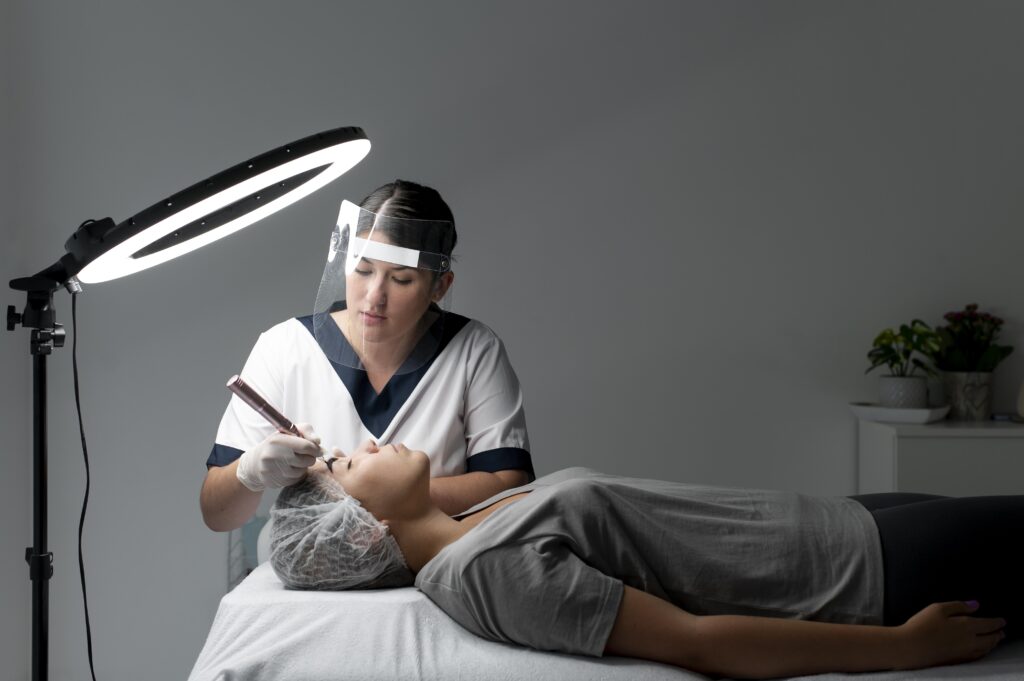
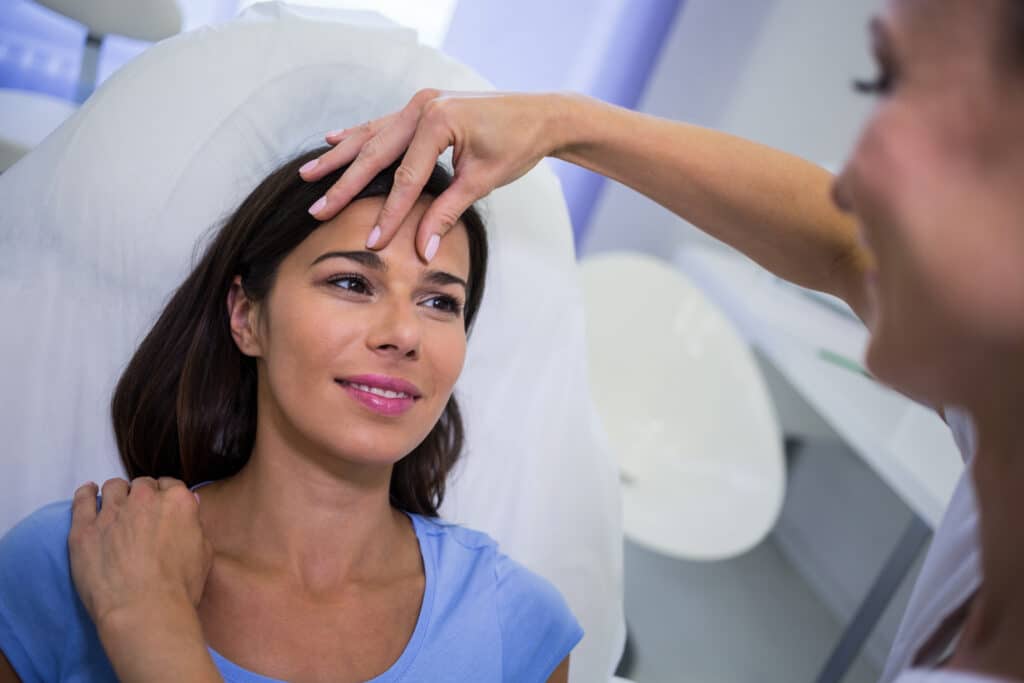
A clinical aesthetic treatment should never be rushed. Your session begins with a thorough skin analysis to ensure a peel is the appropriate modality for your current barrier health. Once the optimal solution is selected, your skin is carefully cleansed and prepped to ensure even penetration.
As the Chemical Peel Treatment is applied, you will likely feel a mild tingling, prickling, or warming sensation. This is a normal indication that the active ingredients are engaging with the outer layer of the epidermis. This active phase is typically brief, lasting only a few minutes.
Depending on the specific protocol chosen, the peel will either be neutralized by your esthetician or allowed to self-neutralize over the next few hours. Your skin may look slightly flushed or bronzed immediately afterward, similar to a very mild sunburn.
The Recovery Process: Day by Day
The healing timeline depends entirely on the depth and formulation of the peel. Light peels may cause only microscopic shedding, while medium-depth treatments initiate a more visible process.
For the first two days, your skin will generally feel tight and appear slightly darker or shiny. By the third day, visible flaking usually begins. This shedding commonly starts around the mouth and nose, areas of the face that move the most, before working its way outward toward the hairline.
The Mayo Clinic notes that this active peeling phase typically resolves within a week. As the expired cells fall away, they reveal a fresh, delicate layer of new skin that is notably smoother and more light-reflective.
Essential Preparation and Aftercare
Successful outcomes rely heavily on how you treat your skin before and after the studio visit. Three to five days prior to your appointment, you must pause all use of retinoids, strong vitamin C serums, and physical scrubs to ensure your skin barrier is calm and uncompromised.
During the peeling phase, it is absolutely critical that you do not pick, pull, or rub the flaking skin. Removing tissue before it is ready to shed naturally can cause severe irritation and lead to post-inflammatory hyperpigmentation. Instead, manage the dryness by applying a gentle, ceramide-rich moisturizer.
Because the newly revealed skin is incredibly vulnerable, the American Academy of Dermatology emphasizes that rigorous sun protection is the most vital step of aftercare. You must apply a broad-spectrum SPF daily and avoid direct sun exposure to protect your clinical results, particularly in Florida’s intense climate.
Who Is a Good Candidate for a Chemical Peel?
Because modern chemical peels are highly customizable, most individuals seeking to improve dullness, textural irregularities, or uneven pigmentation are excellent candidates. The specific acid and concentration can be tailored to safely accommodate various skin tones and sensitivities.
However, peels are not appropriate for everyone at all times. Individuals with an actively compromised skin barrier, severe rosacea, active cold sores, or those currently taking certain oral acne medications should delay resurfacing treatments. In some cases, soothing LED Light Therapy may be recommended as a precursor to calm the tissue before introducing chemical exfoliation.
Our clinical skin philosophy dictates that safety and barrier health come first. We always recommend reviewing your specific skin concerns with a licensed professional to determine the most effective and appropriate timing for a peel.
Frequently Asked Questions
Does a chemical peel hurt?
No, a professional chemical peel is not painful. You will likely experience a temporary tingling, itching, or warming sensation during the application, but this subsides very quickly once the solution is neutralized or the active phase completes.
Can I wear makeup while my skin is peeling?
It is highly recommended to avoid applying makeup during the active peeling phase. Cosmetic pigments can easily become trapped in the flaking skin, drawing more attention to the texture, and the physical act of removing makeup can accidentally pull off skin prematurely.
Will I definitely peel after the treatment?
Not always. The amount of visible peeling depends on the depth of the acid used and your skin’s current level of cellular buildup. Even if you do not experience heavy flaking, the peel is still effectively accelerating microscopic cellular turnover.
Can I get a chemical peel during the Florida summer?
Yes, but it requires strict discipline. While chemical peels can be performed year-round, you must be exceptionally diligent about applying broad-spectrum sunscreen and wearing protective hats, as your skin will be highly sensitive to UV exposure in the summer heat.
How often should I get a chemical peel?
The ideal frequency depends on the strength of the peel and your specific aesthetic goals. Light, superficial peels can often be performed every four to six weeks for maintenance, while deeper corrective peels may only be recommended a few times a year.
Schedule Your Skin Analysis at Éternité Spa
Navigating the various types of chemical exfoliation does not have to involve guesswork. A professionally customized peel can safely and predictably transform the health and appearance of your complexion.
We invite you to schedule a comprehensive skin analysis at Éternité Spa in New Smyrna Beach or Mount Dora. Our licensed estheticians will carefully evaluate your cellular health, listen to your goals, and design a customized resurfacing plan to safely reveal your most radiant skin.