Quick Answer
Where can I get a professional chemical peel in Mount Dora, FL?
Professional chemical peels in Mount Dora, FL are available at Eternite Spa, where licensed estheticians apply customized exfoliating solutions to treat hyperpigmentation, fine lines, acne, and uneven texture. Peels reveal smoother, brighter skin by removing damaged surface cells and boosting cell turnover, with strengths tailored from gentle to deep. Serving Mount Dora and the surrounding area, Eternite Spa delivers safe, results-driven chemical peels for a renewed, radiant complexion.
Achieving radiant, youthful skin often requires looking beneath the surface. A professional chemical peel in Mt Dora provides a scientifically proven method to accelerate cellular turnover, smooth uneven textures, and erase hyperpigmentation. By applying a specialized, clinically formulated solution to the face or neck, dead skin layers gently lift away, revealing the vibrant, unblemished tissue underneath. At Eternite Spa, our advanced aesthetic treatments are tailored to counter the heavy effects of Florida sun exposure, stubborn acne scarring, and the natural signs of biological aging.
Key Takeaways
- Customized Skin Renewal: Chemical peels are categorized by depth, superficial, medium, and deep, to address distinct imperfections ranging from fine lines to severe sun damage.
- Targeted Pigmentation Correction: Exfoliation targets uneven melanin distribution caused by UV radiation, producing a brightened, more uniform complexion.
- Professional Supervision is Vital: Medical-grade clinical formulations require expert application to maximize cellular regeneration while preventing complications like post-inflammatory hyperpigmentation.
- Minimal Downtime, Lasting Results: Modern light-to-medium peels offer quick recovery times, allowing clients to return to their normal daily routines rapidly while cumulative benefits build over time.
Understanding the Science of Skin Exfoliation
The human skin naturally sheds dead cells in a cycle that slows dramatically as we mature. A chemical peel safely speeds up this process using specialized chemical compounds. When applied to the skin, these acids lower the pH level, breaking the cellular bonds that hold compromised, dull cells to the epidermis.
By stripping away these outer layers, the body receives a clear signal to trigger its natural healing cascade. According to clinical guidelines from the American Academy of Dermatology, this targeted biological response stimulates fibroblasts to synthesize fresh collagen and elastin. The structural matrix of your skin thickens, resulting in greater elasticity, tighter pores, and a remarkably smoother surface texture.
The Three Primary Depths of Chemical Peels
Skincare is never a one-size-fits-all solution. Depending on your aesthetic goals, skin type, and the amount of recovery time you can accommodate, treatments are carefully calibrated into three tiers.
1. Superficial Peels (Light Exfoliation)
Light peels frequently utilize mild alpha-hydroxy acids (AHAs) like glycolic or lactic acid, or beta-hydroxy acids (BHAs) like salicylic acid. These gentle treatments solely target the outermost layer of the skin, known as the epidermis. They are exceptionally useful for balancing minor discoloration, refining slightly rough textures, and drying out active acne blemishes. Most clients experience minor redness similar to a mild sunburn, making this an ideal “lunchtime” procedure.
2. Medium-Depth Peels (Dermal Penetration)
Medium peels generally incorporate trichloroacetic acid (TCA) or enhanced Jessner’s solutions. These formulations plunge past the outer epidermis to reach the upper region of the dermis. Medium-depth treatments work aggressively to break down stubborn sun damage, reduce pronounced fine wrinkles, and lighten deeper melasma patches. The shedding phase typically lasts between five to seven days, requiring diligent post-treatment hydration.
3. Deep Peels (Intense Refinement)
Deep chemical peels rely on potent phenol solutions to penetrate the lower layers of the dermis. These intensive procedures are reserved for severe photoaging, deep-set dynamic wrinkles, and significant structural scarring. Because phenol treatments are highly invasive, they demand extensive recovery periods and meticulous clinical monitoring.
Key Benefits of Booking a Chemical Peel in Mt Dora
Living in Central Florida brings an abundance of beautiful sunshine, but it also exposes the skin to continuous ultraviolet radiation. Over time, this cumulative sun exposure causes premature aging, deep sun spots, and a breakdown of structural collagen.
Choosing a professional clinical treatment helps reverse this environmental damage. By lifting away heavily pigmented surface cells, a peel noticeably fades dark solar lentigines (sun spots) and melasma. Furthermore, for individuals managing persistent acne outbreaks, targeted salicylic acid peels clear deep within blocked pores, reducing excessive sebum production and minimizing future inflammatory breakouts.
What to Expect During and After Your Treatment
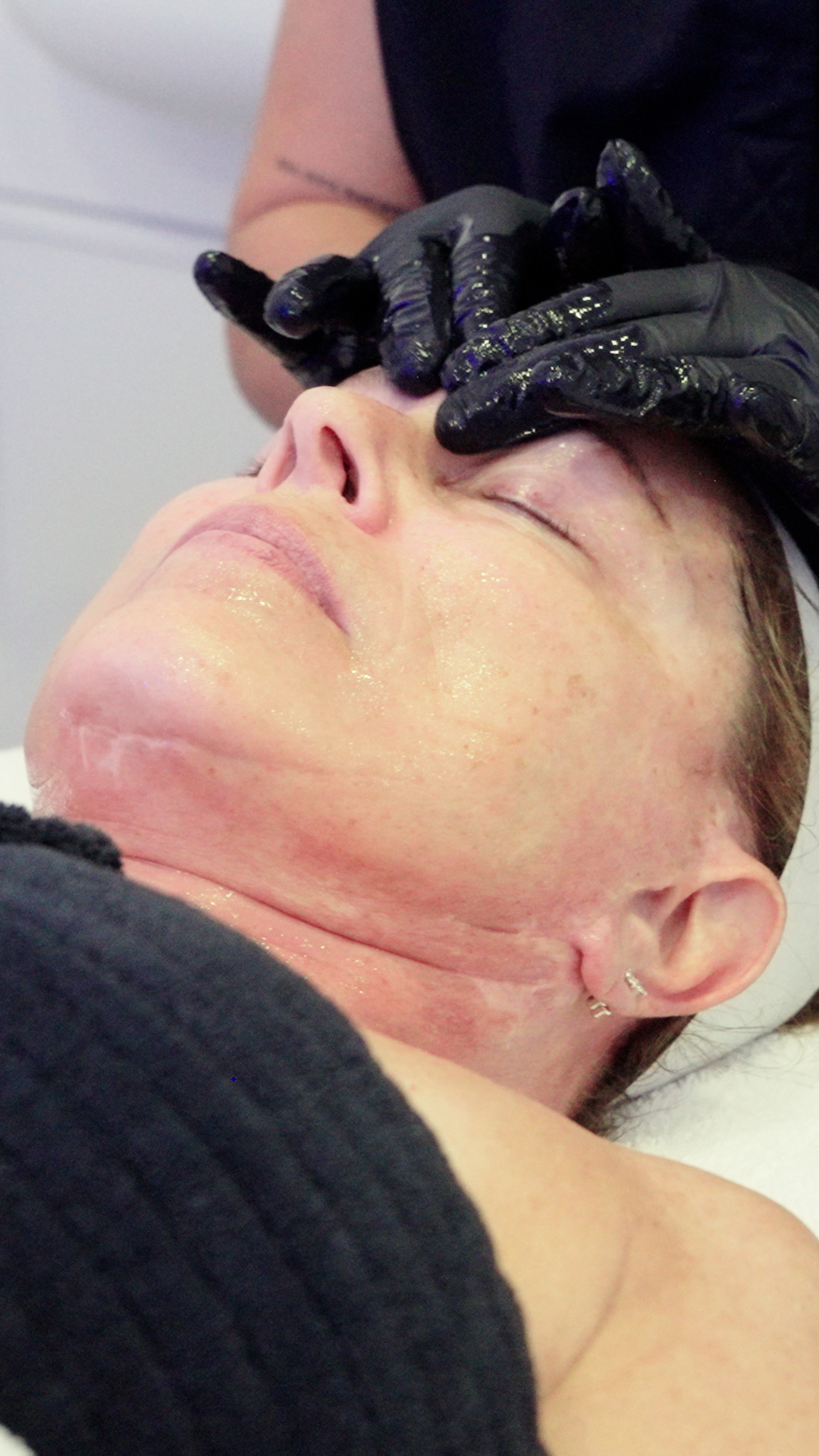
Your comfort and safety are our absolute priorities throughout the entire process. The treatment begins with a meticulous cleansing to remove lingering oils, followed by the precise application of the chemical solution. You may feel a brief warm or tingling sensation as the active ingredients interact with your tissue. Once the desired level of exfoliation is reached, the solution is carefully neutralized, and a soothing, deeply hydrating recovery balm is applied alongside broad-spectrum sun protection.
The subsequent healing phase relies heavily on the overall depth of your treatment. Light peels often cause nothing more than subtle flaking for two or three days. Medium peels will cause the skin to turn a deeper brown color before it gently splits and sheds over the course of a week. It is crucial to let this skin flake off naturally without picking or pulling it, as forcing the skin away prematurely can cause irritation or scarring.
Essential Post-Peel Care Rules
The success of your treatment depends heavily on how you treat your skin during the recovery window. The newly exposed skin layers are incredibly vulnerable to environmental factors and require specialized care.
- Apply Broad-Spectrum Sunscreen Daily: Use a physical sunscreen with an SPF of 30 or higher. The U.S. Food and Drug Administration emphasizes that newly exfoliated skin has a significantly higher vulnerability to UV damage and sunburn.
- Prioritize Intense Hydration: Keep your skin barrier protected by applying bland, fragrance-free moisturizers multiple times a day to minimize tightness and cracking.
- Avoid Aggressive Skincare Ingredients: Pause the use of retinoids, prescription benzoyl peroxide, and physical face scrubs for at least seven days following your session.
- Cleanse Gently: Wash your face using cool water and mild, soap-free cleansers, avoiding rough washcloths or abrasive facial brushes.
Frequently Asked Questions
How long does a typical chemical peel session take?
A standard appointment usually lasts between 30 to 45 minutes. This includes a detailed skin prep phase, the active application of the acid solution, neutralizing the mixture, and applying post-treatment recovery products.
Will a chemical peel hurt?
Most individuals experience a mild warming or stinging sensation rather than actual pain. Light peels are very comfortable, while medium peels may involve a brief period of intense heat that subsides quickly after neutralization.
How many sessions will I need to see results?
While a single session will deliver a brighter complexion and smoother skin, a series of 3 to 6 light-to-medium treatments spaced a few weeks apart is recommended for deeper corrections like acne scarring or hyperpigmentation.
Can I wear makeup immediately after my procedure?
It is highly recommended to avoid makeup for at least 24 to 48 hours following light peels, and until the peeling process is fully complete for medium treatments, to prevent irritating the delicate new skin.
Are chemical peels safe for all skin tones?
Yes, but they must be carefully customized. Deeper skin tones have a higher risk of developing post-inflammatory hyperpigmentation, meaning mild, controlled formulations should be chosen over aggressive peeling agents.
If you are ready to completely revitalize your complexion, clear away stubborn sun damage, and achieve a truly luminous glow, our dedicated team of skincare experts is here to guide you. Contact Eternite Spa today to schedule a personalized skin consultation and discover the ideal treatment plan for your specific beauty goals.