
Quick Answer
Is dermaplaning worth it?
Yes, for most skin types, dermaplaning is worth it. The treatment removes dead surface skin and fine vellus hair using a sterile blade, leaving skin visibly smoother and helping serums and makeup sit better. It is quick, painless, and requires no downtime, which makes it an easy addition before an event or as a regular part of a skincare routine. It is best done by a trained professional, like the estheticians at Eternite Spa, rather than at home.
Summary: Dermaplaning has become one of the most requested facial treatments for good reason, but it is fair to ask whether the results justify the cost and the slight commitment of regular sessions. This article breaks down what dermaplaning actually does, who benefits most, and how it compares to other exfoliation methods so you can decide if it is worth adding to your routine.
Key Takeaways
- Immediate, Visible Results: Skin looks smoother and brighter right after a single session, with no recovery time needed.
- Better Product Absorption: Removing the outer layer of dead skin allows serums and moisturizers to penetrate more effectively.
- Not the Same as Shaving: A trained esthetician uses a surgical-grade blade at a precise angle, which is not something to replicate safely at home.
- Best for Dry or Dull Skin: Dermaplaning is especially effective for texture and dullness, though it is not typically recommended for active acne.
- Results Build With Consistency: A single session helps, but regular treatments every 3 to 4 weeks maintain the benefits longest.
What Dermaplaning Actually Does
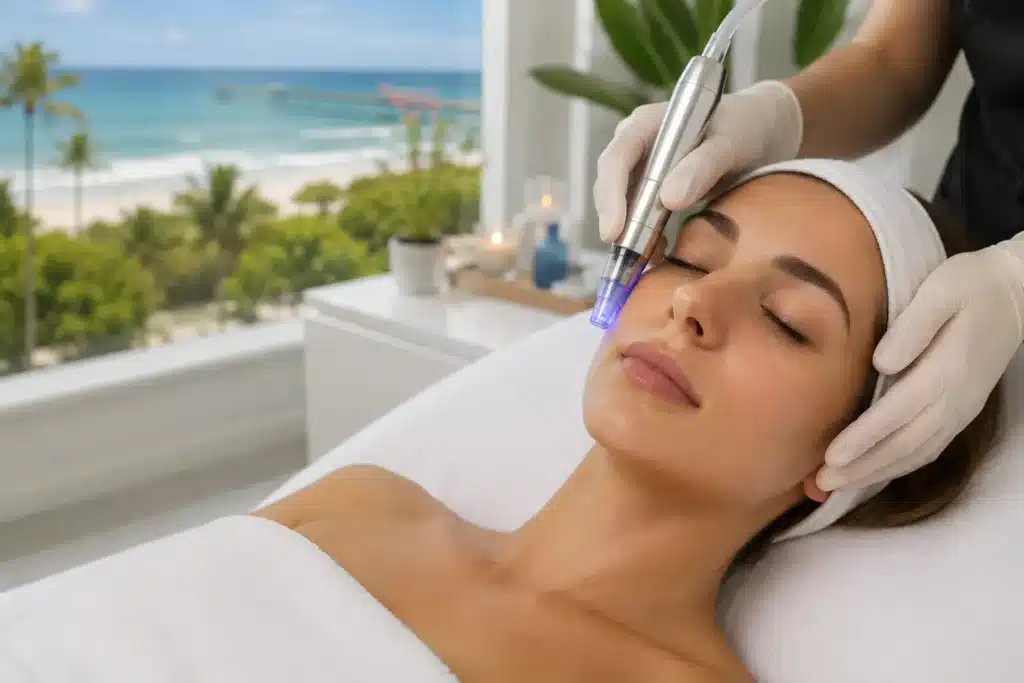
During a Dermaplaning Facial, an esthetician uses a sterile, medical-grade blade to gently scrape away the outermost layer of dead skin cells along with fine facial hair, sometimes called “peach fuzz.” This physical exfoliation instantly reveals smoother, more even skin underneath.
Because there is no chemical or heat involved, dermaplaning is considered one of the gentlest professional exfoliation methods available, which is part of why it works for such a wide range of skin types.
Who Dermaplaning Works Best For
Dermaplaning tends to deliver the most noticeable results for people dealing with:
- Dull or Rough Texture: Removing dead surface cells reveals brighter, smoother skin almost immediately.
- Visible Peach Fuzz: Fine facial hair can trap oil and makeup, and removing it leaves a cleaner finish.
- Mild Sun Damage or Uneven Tone: Regular sessions can help even out surface texture over time.
It is generally not recommended for people with active acne breakouts, as the blade can spread bacteria across inflamed skin. An esthetician can assess your skin during a consultation and recommend an alternative, such as a Chemical Peel, if dermaplaning isn’t the right fit that day.
What to Expect During and After Treatment
The treatment itself typically takes 30 to 45 minutes and involves no pain, no numbing, and no downtime. Most clients describe the sensation as similar to a light scraping, not uncomfortable in the slightest.
Afterward, skin looks noticeably smoother and often appears slightly brighter, since dermaplaning also reflects light more evenly off a fresh surface. You can apply makeup immediately, though sunscreen becomes even more important for a few days since freshly exfoliated skin is more sensitive to UV exposure.
Dermaplaning vs. Other Exfoliation Methods
Dermaplaning is often compared to chemical exfoliation, and each has its own strengths.
| Method | Dermaplaning | Chemical Peel |
| How It Works | Physically removes dead skin and fine hair with a blade | Uses acids to accelerate cell turnover |
| Downtime | None | Minimal, mild redness possible |
| Best For | Texture, dullness, peach fuzz | Discolouration, deeper texture concerns |
| Frequency | Every 3 to 4 weeks | Every 4 to 6 weeks, depending on strength |
Many clients actually alternate between the two, or pair dermaplaning with a Nano Infusion Facial to push hydrating serums deeper immediately after exfoliation.
How Often Should You Get Dermaplaning
Skin cell turnover takes roughly three to four weeks, which is why most estheticians recommend spacing dermaplaning sessions accordingly. Coming in too frequently offers little added benefit, since you would be removing skin that hasn’t fully regenerated yet.
Frequently Asked Questions
Does dermaplaning make hair grow back thicker?
No. This is a common myth. Dermaplaning only removes fine vellus hair at the skin’s surface, and hair grows back at the same texture and rate as before.
Is dermaplaning painful?
Not at all. Most people feel little more than a light scratching sensation, and there is no need for numbing cream or recovery time.
Can I do dermaplaning at home?
At-home dermaplaning tools exist, but they carry a higher risk of nicks, uneven results, and improper technique. A professional treatment uses a surgical-grade blade at a precise angle for safer, more even results.
How long do dermaplaning results last?
Results typically last three to four weeks, which lines up with your skin’s natural renewal cycle, making that the ideal interval for repeat sessions.
Is dermaplaning safe for sensitive skin?
Yes, dermaplaning is generally considered gentle enough for sensitive skin since it involves no chemicals or heat. An esthetician will still review your skin history first to confirm it’s the right fit.
Curious whether dermaplaning fits your skin goals? Book a consultation at Eternite Spa, available at our New Smyrna Beach and Mt Dora locations, and find out in person.