
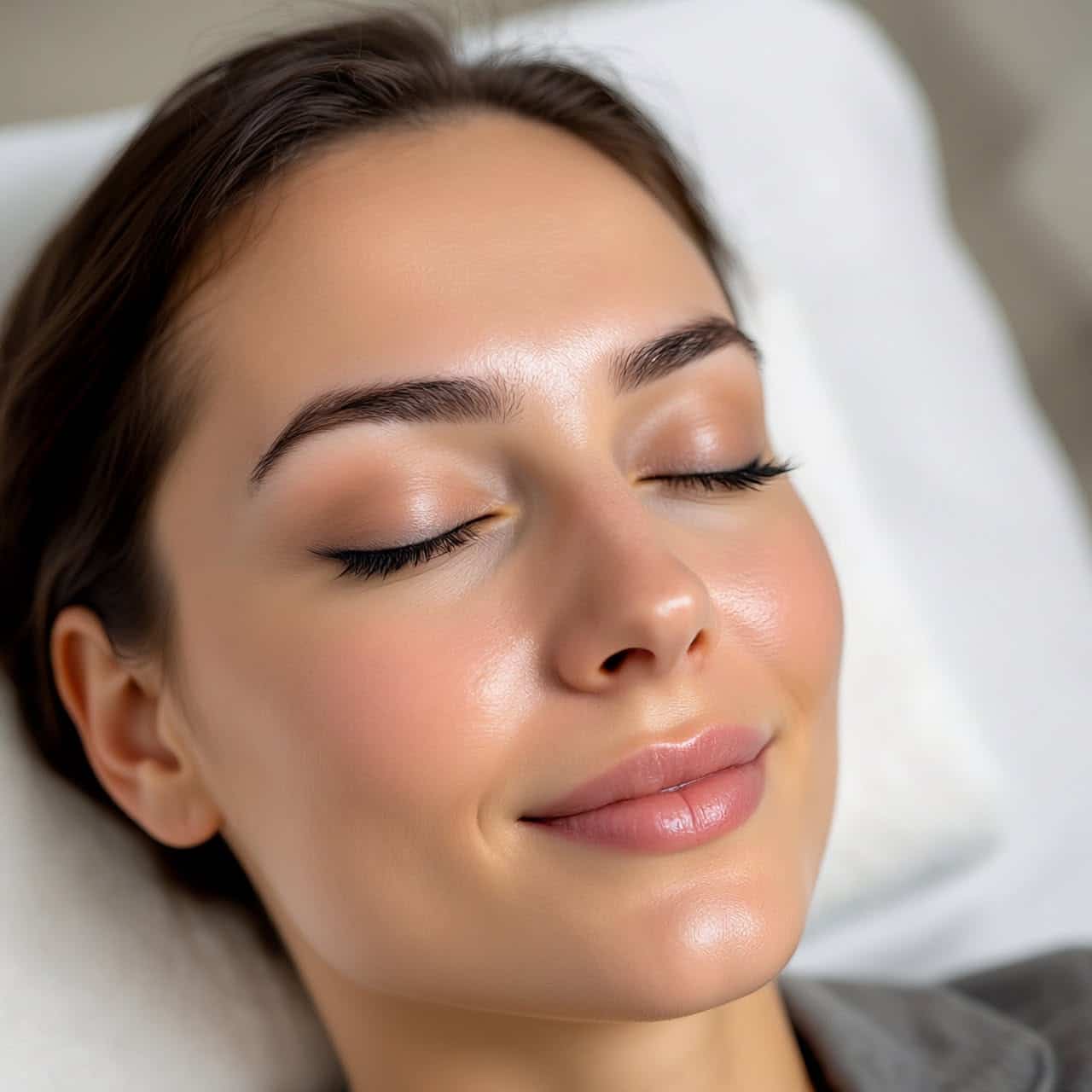
Achieving a perfectly smooth, radiant complexion is a common goal in modern skincare. However, even the most meticulous skincare routines can hit a plateau when active ingredients struggle to penetrate the skin surface, or when foundation sits unevenly on the skin. Often, the culprit is not the products themselves, but an invisible buildup of dead skin cells and fine vellus hair, commonly known as peach fuzz.
Dermaplaning provides an elegant, highly effective solution to this structural barrier. By gently sweeping away these superficial layers, this professional treatment instantly transforms the texture of your face. The result is a perfectly smooth surface that acts as the ultimate clean canvas for your cosmetics and daily skincare products.
Clearing the Barrier: The Science of Exfoliation
The outermost layer of the skin, known as the stratum corneum, continuously sheds dead skin cells. However, this natural renewal process often slows down due to aging, environmental stress, or dehydration. When these cells accumulate, they create a rough, uneven texture that scatters light rather than reflecting it, leading to a dull or tired complexion.
Furthermore, fine vellus hair naturally coats the face. While entirely normal, these fine hairs trap dust, oil, and dead skin cells right against the surface. Clinical clinical resources from the Cleveland Clinic explain that professional dermaplaning physically clears away this debris using a sterile, medical-grade blade held at a precise angle. This dual action of hair removal and physical exfoliation instantly brightens the face without the irritation sometimes caused by harsh chemical scrubs.
Maximizing Product Absorption: Getting the Most from Your Skincare
Investing in high-quality serums, vitamins, and moisturizers yields the best results when those active ingredients can actually reach their target layers. When a thick layer of dead cells and peach fuzz sits on top of the skin, it acts like a dry sponge, absorbing and wasting expensive products before they ever penetrate the living tissue.
Without regular exfoliation, up to 70% of topical skincare products can sit uselessly on the surface of the skin, drastically reducing their overall effectiveness.
Immediately following a professional dermaplaning session, this physical barrier is completely gone. Hyaluronic acid, vitamin C serums, and targeted anti-aging peptides can glide directly onto fresh, receptive cells. According to dermatological insights provided by the UC San Diego Health, removing this outer cellular debris significantly enhances the transdermal absorption of topically applied formulations. This allows your daily products to work faster, sink deeper, and deliver much more visible results.
The Ultimate Makeup Transformation: Smooth, Seamless Application
Anyone who regularly wears makeup has likely experienced the frustration of foundation caking, flaking, or clinging to dry patches by midday. Liquid and powder cosmetics require an even surface to blend correctly. When applied over vellus hair, foundation sits on top of the hairs rather than melting seamlessly into the skin, which can inadvertently highlight fine textures or create a heavy, artificial look.
Dermaplaning solves this structural issue at the foundational level. With the peach fuzz and rough patches completely removed, primers and foundations glide across the face effortlessly. Cosmetics can be blended with ultimate precision, using less product to achieve a smooth, airbrushed finish. Whether you prefer a minimal, daily tinted moisturizer or full-coverage evening glamour, your makeup will stay seamless, wear longer, and resist settling into fine lines.
Safety, Comfort, and What to Expect from Your Session
A common misconception is that dermaplaning is uncomfortable or causes facial hair to grow back thicker and darker. In reality, the procedure is entirely painless and is often described as a light, scraping sensation. Because vellus hair is biologically distinct from coarse terminal hair, it is physically impossible for the hair to alter its texture, color, or growth speed after the treatment; it will simply grow back exactly as soft as it was before.
During a typical session, a skilled specialist will thoroughly cleanse your skin before gently tautening sections of the face and gliding the specialized blade using short, precise strokes. The entire process takes roughly 30 to 45 minutes. Because there is absolutely no downtime, you can immediately admire your soft, luminous skin and apply your evening skincare products with ease.
Schedule Your Custom Consultation at Eternite Spa
Your journey toward a radiant, perfectly smooth complexion requires the right structural foundation. At Eternite Spa, our highly trained aesthetic professionals provide expert dermaplaning treatments tailored to your skin’s precise needs. We utilize sterile techniques and precise methods to reveal your most luminous skin safely and comfortably. Let us help you maximize your favorite skincare products and create a beautifully flawless canvas. Contact us today to schedule your consultation and experience the ultimate standard in professional skin care.
Frequently Asked Questions
How often should I get a professional dermaplaning treatment?
For optimal results, scheduling a session every 4 to 6 weeks is highly recommended. This timeline aligns perfectly with the skin’s natural cell turnover cycle, ensuring that dead cellular buildup and vellus hair are removed just as they begin to accumulate again.
Can dermaplaning trigger acne breakouts on oily skin?
Dermaplaning is an excellent preventative tool for clear skin because it removes the dead cells and hair that trap acne-causing bacteria inside pores. However, the treatment should never be performed over active, inflamed acne cysts or open blemishes to avoid spreading bacteria or causing irritation.
Should I modify my skincare routine immediately after a session?
Because your skin will be freshly exfoliated and highly receptive, it is best to avoid aggressive chemical exfoliants, retinol, or strong acids for 48 hours. Focus on intense hydration, soothing barrier creams, and applying a broad-spectrum SPF to protect the fresh skin from sun exposure.
Is dermaplaning safe to combine with a professional chemical peel?
Yes, this combination is a highly popular clinical pairing often referred to as an “epi-peel.” Removing the outer dead layer via dermaplaning first allows the subsequent chemical peel to penetrate much more evenly and deeply, maximizing the overall renewal process.
Will dermaplaning make my skin highly sensitive to sunlight?
Any effective exfoliation method temporarily increases sun sensitivity because it exposes fresh, new skin cells. Applying a daily broad-spectrum sunscreen is essential to protect your newly smoothed canvas from UV damage and maintain your radiant results.